

Recent Posts
- How to Start a Small Business in Canada
- Best Canadian Industries for South African Investors
- Canada Business Opportunities: Building a Business for Long-Term Growth
- Canadian Business Registration for South African Residents
- How to Incorporate a Canadian Company Remotely from South Africa
- A South African Entrepreneur’s Roadmap to Canadian Company Formation
Annual Filing Rules Every Non-Resident Indian Company Owner Must Know
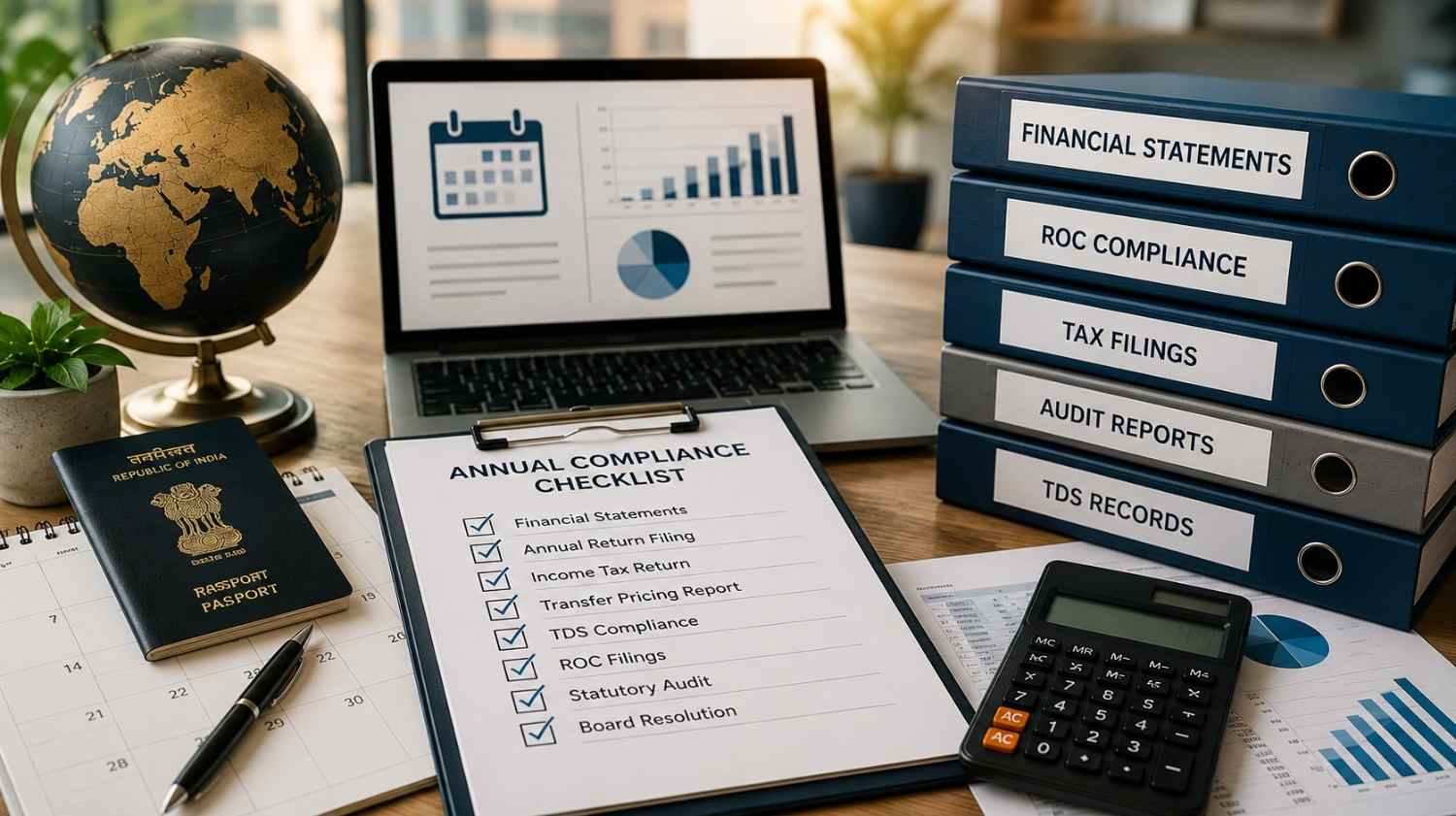
Running a Canadian company while living outside Canada can create additional responsibilities around annual filings, corporate records, tax reporting, and business information. For Non-Resident Indian (NRI) company owners, understanding these requirements is important because owning or managing a Canadian corporation from abroad does not automatically remove the company’s Canadian filing obligations.
The exact requirements depend on how the company was incorporated, where it operates, its fiscal year, and the nature of its Canadian activities. Federal corporations, for example, have annual corporate filing requirements separate from their income tax reporting. Corporations Canada confirms that every active federal business corporation must file an annual return each year.
For NRI entrepreneurs operating Canadian businesses from India or another country, keeping these obligations organized can help maintain the company’s active status and support smoother financial administration.
Annual Return and Tax Return Are Different
One of the most important distinctions for Canadian company owners is that a corporate annual return and a corporate income tax return are not the same document.
A federal corporation generally files its annual return with Corporations Canada to keep corporate information current. The annual return is due within 60 days following the corporation’s anniversary date for applicable federal corporations.
The corporate income tax return, commonly known as the T2, is filed separately with the Canada Revenue Agency (CRA). The filing requirement depends on the corporation’s circumstances and activities during the tax year.
Understanding this distinction is especially important for an NRI business owner because completing one filing does not necessarily satisfy the other.
Federal Corporations Have Annual Filing Responsibilities
If an NRI entrepreneur owns an active corporation incorporated federally under the Canada Business Corporations Act, the corporation generally needs to submit its annual return every year.
Corporations Canada states that the annual return helps keep corporate information up to date and that active corporations remain responsible for filing even when they are not currently operating.
The filing also includes information concerning individuals with significant control where applicable. Since January 22, 2024, federal corporations have been required to provide this information with their annual return.
For an owner living in India, keeping shareholder, director, registered office, and corporate information current is therefore an important part of maintaining the company’s records.
T2 Corporate Tax Filing Can Apply to Non-Resident Corporations
A separate issue arises when a corporation itself is considered non-resident for Canadian tax purposes.
The CRA states that a non-resident corporation generally has to file a T2 return when it carried on business in Canada, had a taxable capital gain, or disposed of taxable Canadian property during the tax year.
Importantly, the CRA states that a filing requirement can still exist even when a corporation claims that income or gains are exempt from Canadian tax under a tax treaty.
This means an NRI entrepreneur should not assume that living outside Canada means the company’s Canadian reporting requirements automatically disappear.
Know Your Corporate Fiscal Year
A company’s fiscal year is important because it determines when its T2 return is due.
The CRA states that a T2 return generally must be filed within six months after the end of the corporation’s tax year. For example, a corporation with a June 30 year-end generally has a December 31 filing deadline.
This makes calendar management particularly important for NRI owners who may be managing Canadian operations remotely. Keeping the corporate fiscal year, accounting records, banking information, invoices, expenses, and supporting documents organized can make annual reporting considerably easier.
Keep Corporate Information Updated
Annual compliance is not limited to submitting forms. Corporate information should remain accurate throughout the year.
Changes involving directors, corporate addresses, ownership information, significant-control information, or other corporate details may require appropriate updates depending on the corporation’s jurisdiction and circumstances.
Federal corporations are expected to keep their information current through the annual return process, while other updates can have separate requirements. Corporations Canada emphasizes that annual filings help keep its corporate database up to date.
For NRI owners, this is particularly useful because remote business management can make it easier for corporate information to become outdated.
Non-Resident Owners Should Pay Attention to Canadian Business Activity
Simply living outside Canada does not provide a complete answer about a company’s Canadian tax reporting obligations.
The CRA explains that corporate residency can involve several factors and that a corporation may be considered resident in Canada under applicable rules even in circumstances where its incorporation history or management arrangements require further analysis.
Similarly, a non-resident corporation carrying on business in Canada can have T2 filing responsibilities.
For an NRI entrepreneur, this makes it important to understand the relationship between the company’s incorporation, management, Canadian business activities, income, and tax reporting position.
Maintain Records Throughout the Year
Waiting until the annual filing deadline to organize business information can create unnecessary pressure.
Canadian company owners should maintain organized accounting records, invoices, expense documentation, bank information, payroll records where applicable, corporate documents, and relevant business transactions throughout the year.
For NRI owners managing operations from India, digital accounting systems and structured document management can make communication with Canadian accounting professionals easier. It can also help ensure that financial information is available when corporate and tax filings need to be prepared.
Canada and the USA Considerations for Growing Businesses
Many NRI entrepreneurs establish Canadian companies while serving customers in both Canada and the USA. Expanding across borders can create additional accounting and reporting considerations because transactions, sales, expenses, currencies, and business activities may span multiple markets.
The Canadian reporting position should therefore be considered alongside the company’s actual operations rather than based solely on where the owner personally lives.
A business serving customers in Canada and the USA may need a more structured approach to bookkeeping, financial reporting, corporate records, and year-end preparation as it grows.
Complete Consulting Canada for NRI Business Owners
Complete Consulting Canada supports entrepreneurs and business owners with Canadian business and consulting needs, including assistance for individuals managing businesses from outside Canada. For NRI entrepreneurs operating businesses connected to Canada and the USA, having an organized approach to corporate administration, accounting coordination, documentation, and annual filing preparation can make ongoing business management easier.
Annual filing requirements should never be treated as a once-a-year task. For an NRI company owner, staying organized throughout the year can help prevent missed deadlines, outdated corporate information, and last-minute financial preparation. Understanding the difference between corporate annual returns and T2 reporting is a strong starting point for maintaining an organized Canadian business structure.
Frequently Asked Questions
If the company is an active federal corporation, it generally has to file its annual return with Corporations Canada each year. The annual return is separate from the corporate income tax return.
No. The annual return is filed with Corporations Canada, while the T2 is the corporation’s income tax return filed with the CRA. They serve different purposes and have different filing requirements.
Not automatically. Filing requirements depend on the corporation’s structure, jurisdiction, activities, and tax circumstances. A Canadian federal corporation can have annual corporate filing obligations even when its owner lives outside Canada.
For applicable federal business corporations, the annual return and information concerning individuals with significant control are generally due within 60 days following the corporation’s anniversary date.
A non-resident corporation generally needs to file a T2 when it carried on business in Canada, had a taxable capital gain, or disposed of taxable Canadian property during the tax year, subject to applicable exceptions.
A T2 return generally has to be filed within six months after the end of the corporation’s tax year.
Yes, many business owners manage their Canadian corporate administration remotely. However, maintaining accurate records, tracking deadlines, and working with qualified Canadian accounting professionals can help keep the company’s annual reporting organized.