

Common Mistakes Foreigners Make When Starting a Business in Canada

Common Mistakes Foreigners Make When Starting a Business in Canada

Canada has become one of the most attractive countries for entrepreneurs looking to expand internationally. Its strong economy, transparent legal system, and business-friendly environment make it a preferred destination for foreign investors and startup founders. However, many international entrepreneurs make avoidable mistakes during the setup process, which can later create legal, financial, and operational challenges.


Starting a business in Canada requires more than simply registering a company. Foreign entrepreneurs must understand Canadian regulations, tax obligations, compliance requirements, and business operations to build a stable and successful company. Avoiding common mistakes from the beginning can save time, money, and future complications.


Choosing the Wrong Business Structure

One of the most common mistakes foreigners make is selecting the wrong business structure without fully understanding its impact. Some entrepreneurs choose sole proprietorships because they are simple to set up, while others incorporate too quickly without proper planning.


The right business structure depends on several factors, including taxation, liability protection, ownership goals, and future expansion plans. A poor decision at the beginning can create tax inefficiencies, investment limitations, and legal complications later.


Understanding the differences between sole proprietorships, partnerships, and corporations is extremely important before registering a business in Canada.


Ignoring Tax and Compliance Requirements

Many foreign business owners underestimate Canadian tax obligations. Some assume they only need to follow tax laws in their home country, but businesses operating in Canada may still have corporate tax, GST/HST, payroll, and reporting responsibilities.


Failure to maintain proper bookkeeping or file taxes correctly can result in penalties and financial stress. Businesses also risk missing important filing deadlines if they do not understand the Canadian tax system properly.


Professional accounting support can help businesses remain compliant and avoid costly mistakes related to tax reporting and financial management.


Not Researching Provincial Rules

Canada’s business regulations can vary depending on the province. Some provinces have residency requirements for directors, while others allow complete foreign ownership without requiring Canadian resident directors.


Many entrepreneurs fail to research these rules before incorporation, which can delay the setup process or create legal complications. Choosing the wrong province can also affect taxation, compliance flexibility, and future business expansion.


Understanding provincial regulations before incorporation helps businesses operate more efficiently and avoid unnecessary restructuring later.


Starting Without a Proper Business Plan

Another common mistake is rushing into business registration without developing a clear strategy. Some entrepreneurs focus only on incorporation and overlook market research, competition analysis, and operational planning.


Without a proper business plan, companies may struggle with customer acquisition, pricing strategies, and long-term sustainability. Understanding the target market, industry demand, and financial requirements is essential before launching operations.


A well-planned strategy provides a stronger foundation for growth and helps businesses make better financial and operational decisions.


Underestimating Business Costs

Many foreigners underestimate the actual cost of running a business in Canada. While incorporation fees may appear manageable, additional expenses such as accounting, legal support, banking, insurance, payroll, and marketing can significantly increase operational costs.


Poor financial planning can create cash flow problems, especially during the early stages of business growth. Entrepreneurs should prepare realistic budgets that include both setup costs and ongoing operational expenses.


Maintaining organized financial records from the beginning also helps businesses manage taxes and monitor long-term profitability more effectively.


Overlooking Legal Protection

Some foreign entrepreneurs try to reduce expenses by avoiding legal documentation during the setup process. However, missing agreements and legal protections can create serious disputes later.


Businesses with multiple owners should establish proper shareholder or partnership agreements early. Companies hiring employees or working with contractors should also use legally compliant contracts and policies.


Legal protection is especially important for businesses operating internationally, where misunderstandings and compliance issues can become more complex over time.


Not Understanding Employment Laws

Foreign business owners hiring employees in Canada often underestimate the importance of employment regulations. Canadian labor laws cover areas such as wages, overtime, workplace safety, vacation policies, and termination procedures.


These rules may vary between provinces, making compliance more complicated for businesses operating in multiple locations. Improper payroll setup or employee classification can result in penalties and legal risks.


Businesses planning to hire Canadian employees should understand local employment standards before expanding their workforce.


Trying to Manage Everything Alone

Many entrepreneurs attempt to handle incorporation, taxes, legal compliance, and accounting independently to reduce costs. While this may seem practical initially, mistakes made during setup can become expensive and difficult to fix later.


Working with experienced consultants, accountants, and legal professionals can simplify the process and help businesses avoid unnecessary risks. Professional support is especially valuable for non-resident entrepreneurs unfamiliar with Canadian regulations and compliance requirements.


Conclusion

Starting a business in Canada as a foreigner offers excellent opportunities, but long-term success depends on proper planning and compliance. From choosing the correct business structure to understanding taxes and legal obligations, avoiding common mistakes can make the setup process smoother and more efficient.


Canada continues to attract entrepreneurs from around the world because of its stable economy and supportive business environment. With the right strategy, professional guidance, and proper planning, foreign entrepreneurs can successfully establish and grow businesses in Canada.


Complete Consulting Canada helps foreign entrepreneurs avoid costly mistakes when starting a business in Canada. From choosing the right business structure to understanding tax obligations, compliance requirements, and growth strategies, our experts provide the guidance you need for a smooth and successful business journey. 🚀📈 Partner with us to build your Canadian business with confidence and long-term success

Frequently Asked Questions

Yes, foreigners can legally own and operate businesses in Canada, although certain provincial rules may apply depending on the business structure.

One of the biggest mistakes is failing to understand Canadian tax and compliance requirements before starting operations.

In many cases, yes. Businesses selling taxable goods or services in Canada may need GST/HST registration depending on revenue and operations.

Yes, professional support can help businesses avoid legal, tax, and compliance mistakes that may become costly later.

Yes, foreign-owned businesses can hire Canadian employees once the company is properly registered and compliant with employment laws.

The best province depends on the business model, residency requirements, taxation, and future expansion plans.

GST/HST Registration in Canada Explained

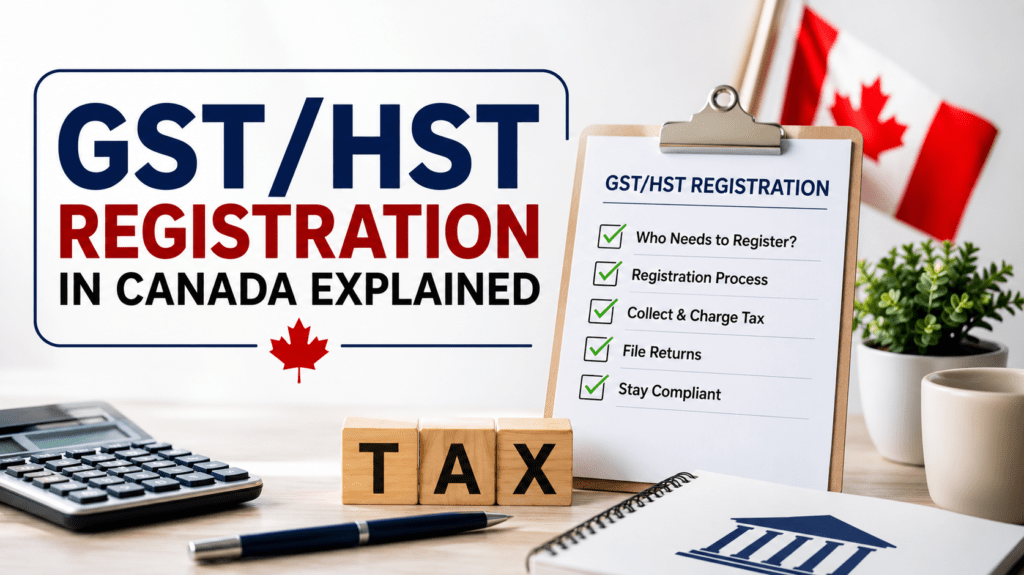
GST/HST Registration in Canada Explained

Starting a business in Canada comes with several legal and tax responsibilities, and one of the most important is GST/HST registration. Many entrepreneurs, startups, freelancers, and international business owners are often confused about when registration is required, how it works, and what responsibilities come after registration.


Understanding GST/HST is essential for staying compliant with Canadian tax laws and avoiding future penalties. Whether you are running a small business, offering services, selling products online, or operating a Canadian company remotely, knowing the basics of GST/HST registration can help your business operate smoothly.


What is GST/HST?

GST stands for Goods and Services Tax, while HST stands for Harmonized Sales Tax. These are consumption taxes charged on most goods and services sold in Canada.


The federal GST rate is generally 5%, while HST combines the federal and provincial portions into a single tax rate in certain provinces. The applicable tax rate depends on where the customer is located.


Businesses registered for GST/HST are responsible for collecting tax from customers and remitting it to the Canada Revenue Agency (CRA).


Who Needs to Register for GST/HST?

In Canada, businesses usually need to register for GST/HST once their taxable revenue exceeds the small supplier threshold. This threshold is generally CAD 30,000 in total taxable revenue over four consecutive calendar quarters.


Once a business crosses this limit, GST/HST registration becomes mandatory.


However, many businesses choose voluntary registration even before reaching the threshold because it allows them to claim Input Tax Credits (ITCs) on eligible business expenses.


Businesses that commonly register include:

•  Consultants

•  E-commerce sellers

•  Import/export businesses

•  Agencies and service providers

•  Corporations and startups

•  Non-resident businesses operating in Canada


Benefits of GST/HST Registration

Although tax compliance may seem complicated at first, GST/HST registration can actually provide several business advantages.


One major benefit is the ability to recover GST/HST paid on eligible business purchases through Input Tax Credits. This can reduce overall operating costs and improve cash flow.


GST/HST registration can also increase business credibility because many clients and suppliers view registered businesses as more professional and established.


For growing companies, early registration may help simplify accounting processes as revenue increases over time.


How to Register for GST/HST

Businesses can register for GST/HST through the Canada Revenue Agency (CRA). Registration may be completed online, by phone, or with the help of accountants or business consultants.


During registration, businesses receive a GST/HST number linked to their CRA business account. Once registered, the business is legally required to charge applicable taxes on taxable goods and services.


The registration process usually requires:

•  Business number

•  Legal business name

•  Business activity details

•  Revenue estimates

•  Business structure information

Choosing the correct reporting period is also important because businesses may need to file monthly, quarterly, or annual GST/HST returns depending on revenue levels.


Responsibilities After Registration

After registering, businesses must collect GST/HST from customers and maintain proper financial records. Businesses are also responsible for filing GST/HST returns and remitting collected taxes to the CRA by the required deadlines.


Proper bookkeeping becomes very important after registration. Businesses should track:

Sales and invoices

Tax collected

Business expenses

Input Tax Credits

GST/HST payments and filings

Late filings or incorrect reporting can lead to penalties and interest charges, which is why many businesses use accounting software or work with professional accountants.


GST/HST for Non-Resident Businesses

Many non-resident entrepreneurs operating Canadian businesses may also need GST/HST registration. This depends on the type of products or services offered, customer location, and business activities conducted in Canada.

E-commerce businesses, digital service providers, and foreign corporations selling to Canadian customers may have GST/HST obligations even if the owner lives outside Canada.

Because international tax situations can be complex, professional guidance is highly recommended for non-resident businesses.


Common Mistakes Businesses Should Avoid

One common mistake is waiting too long to register after crossing the revenue threshold. Businesses that fail to register on time may still owe taxes retroactively, even if they did not collect them from customers.


Another issue is poor bookkeeping. Without accurate records, businesses may struggle with tax filings or miss eligible Input Tax Credits.

Many businesses also incorrectly apply tax rates across provinces, especially when selling online across Canada.


Proper accounting systems and professional support can help prevent these costly errors.


Conclusion

GST/HST registration is an important part of running a compliant business in Canada. Whether registration is mandatory or voluntary, understanding the rules can help businesses manage taxes efficiently and avoid compliance issues.


From collecting taxes and filing returns to claiming Input Tax Credits, proper GST/HST management plays a key role in maintaining healthy business operations. For both Canadian residents and international entrepreneurs, professional guidance can simplify the registration process and ensure long-term compliance.


Complete Consulting Canada is your trusted partner for GST/HST registration and business compliance in Canada. Our experienced team helps entrepreneurs, investors, and business owners navigate the registration process with confidence, ensuring accuracy, compliance, and peace of mind. 📈✨ Contact us today to get professional support and keep your business on the right track for success in Canada.

Frequently Asked Questions

GST is the federal Goods and Services Tax, while HST combines federal and provincial sales taxes into one system in certain provinces.

Businesses usually must register once taxable revenue exceeds CAD 30,000 over four consecutive quarters.

Yes, businesses can voluntarily register even before reaching the revenue limit.

ITCs allow businesses to recover GST/HST paid on eligible business expenses.

In some cases, yes. Non-resident businesses selling taxable goods or services in Canada may have registration obligations.

Filing frequency depends on business revenue and may be monthly, quarterly, or annually.

How to Hire Employees in Canada as a Foreigner

How to Hire Employees in Canada as a Foreigner

Canada has become one of the top destinations for international businesses looking to expand globally. With a skilled workforce, strong economy, and business-friendly environment, many foreign entrepreneurs and companies choose Canada to build teams and grow operations. The good news is that foreigners can legally hire employees in Canada, even if they are not Canadian citizens or permanent residents.


Whether you are opening a startup, expanding an overseas company, or running a Canadian corporation remotely, understanding the hiring process is important to ensure legal compliance and smooth business operations.


Can Foreigners Hire Employees in Canada?

Yes, foreign business owners can hire employees in Canada. However, the business usually needs to be legally registered in Canada before hiring staff. This may involve incorporating the company federally or provincially and obtaining the necessary business numbers and tax registrations.


Once the company is properly established, employers can legally recruit Canadian employees for various roles, including full-time, part-time, remote, or contract positions.


Many international businesses hire Canadian employees to manage customer support, sales, marketing, operations, technology, and administrative tasks.


Setting Up Your Business Before Hiring

Before hiring employees, foreign entrepreneurs should ensure their business is legally compliant in Canada. The company typically needs:

• Business incorporation or registration

• Canada Revenue Agency (CRA) business number

• Payroll account registration

• Corporate bank account

• Proper accounting and tax setup

Having the right structure in place helps businesses avoid legal and tax complications later.


Many foreign business owners work with consultants, accountants, or incorporation specialists to simplify the setup process and ensure compliance with Canadian employment laws.


Understanding Canadian Employment Laws

Canada has strict employment standards designed to protect workers. Employers must follow federal or provincial employment regulations depending on where the business operates.


These laws cover areas such as:

• Minimum wage

• Working hours

• Overtime pay

• Vacation policies

• Employee benefits

• Workplace safety

• Termination rules

Employment standards can vary by province, so businesses hiring employees in Ontario may face different requirements compared to British Columbia or Alberta.


Understanding these regulations is essential because non-compliance can result in penalties or legal disputes.


Payroll and Tax Responsibilities

When hiring employees in Canada, employers are responsible for managing payroll deductions and tax obligations. Businesses must deduct and remit:

• Income tax

• Canada Pension Plan (CPP) contributions

• Employment Insurance (EI) premiums

Employers may also need to provide tax slips and maintain payroll records for compliance purposes.


Using payroll software or working with professional accountants can help foreign business owners manage these responsibilities accurately and efficiently.


Hiring Remote Employees in Canada

Many foreign companies now hire remote employees in Canada without opening physical offices. Remote hiring has become increasingly common for technology companies, consulting firms, e-commerce businesses, and digital agencies.


Canadian remote employees can work from different provinces while remaining legally employed by the company. However, businesses must still comply with payroll, tax, and employment regulations based on the employee’s location.


Remote hiring allows foreign businesses to access Canada’s highly skilled workforce while reducing operational costs.


Do Foreign Employers Need a Canadian Office?

Not always. In many cases, foreign entrepreneurs can hire Canadian employees without maintaining a physical office in Canada. Virtual offices, coworking spaces, or remote work arrangements are often sufficient for businesses operating digitally.


However, certain industries or licensing requirements may require a local presence depending on the nature of the business activities.


Professional guidance can help determine the most suitable structure based on business goals and hiring plans.


Benefits of Hiring Employees in Canada

Hiring employees in Canada offers several advantages for international businesses. Canada has a highly educated and multicultural workforce, making it easier for companies to find skilled professionals across industries.


Canadian employees are also recognized for strong communication skills, professionalism, and adaptability in global business environments.


For foreign businesses expanding into North America, hiring local Canadian staff can improve customer service, market understanding, and business credibility.


Challenges Foreign Businesses Should Consider

While hiring in Canada offers many opportunities, there can also be challenges related to employment compliance, payroll management, and provincial regulations.


Foreign employers must ensure proper employee classification, maintain accurate payroll records, and comply with workplace standards. Businesses hiring across multiple provinces may also face varying legal requirements.


Working with HR consultants, payroll providers, or legal professionals can help simplify these processes and reduce compliance risks.


Conclusion

Hiring employees in Canada as a foreigner is entirely possible and can be a smart strategy for international business growth. With the right business setup, payroll systems, and legal compliance, foreign entrepreneurs can successfully build Canadian teams and expand into the North American market.


Canada’s skilled workforce, stable economy, and business-friendly environment make it an excellent location for global companies looking to hire talent and grow internationally. Proper planning and professional guidance can help ensure a smooth and compliant hiring process.


🌍 Hiring employees in Canada as a foreign business owner can be simple with the right guidance. Complete Consulting Canada supports you with payroll setup, legal compliance, and smooth solutions across Canada.

Frequently Asked Questions

Yes, foreigners can legally hire employees in Canada if their business is properly registered and compliant with Canadian laws.

In most cases, yes. Businesses generally need legal registration, payroll accounts, and tax setup before hiring staff.

Yes, many foreign companies hire remote Canadian employees without opening physical offices.

Employers must typically deduct income tax, Canada Pension Plan (CPP), and Employment Insurance (EI) contributions.

No, employment laws can vary by province, including rules related to wages, overtime, and vacation policies.

Not always. Many businesses operate remotely or use virtual office solutions while hiring Canadian staff.

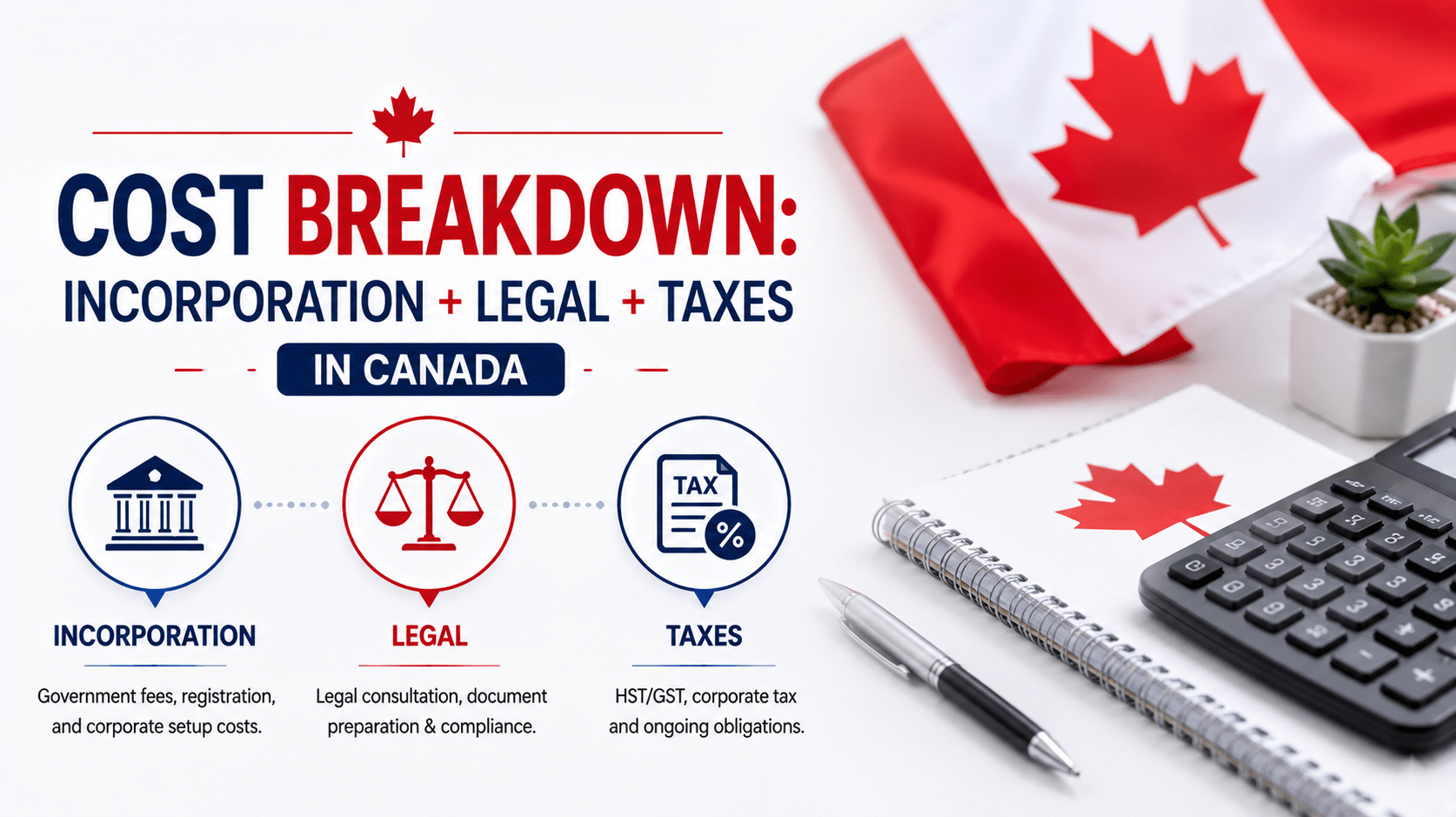
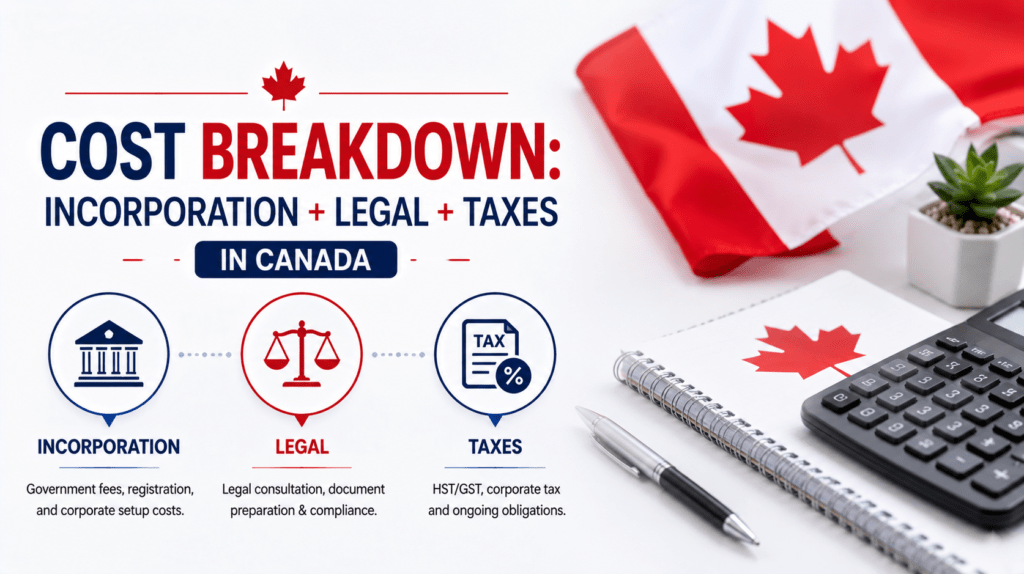
Cost Breakdown: Incorporation + Legal + Taxes in Canada

Cost Breakdown: Incorporation + Legal + Taxes in Canada

Starting a business in Canada is an exciting step for entrepreneurs and international business owners, but understanding the actual costs involved is essential before getting started. Many people assume incorporation is only about registration fees, but the reality is that there are additional legal, tax, and compliance expenses that should be considered from the beginning.


Whether you are a startup founder, consultant, e-commerce seller, or international entrepreneur, knowing the complete cost breakdown helps you plan your budget more effectively and avoid unexpected expenses later.


Incorporation Costs in Canada

The first major expense is the incorporation process itself. The total cost depends on whether you choose federal or provincial incorporation and whether you complete the process yourself or use professional services.


Federal incorporation usually includes filing fees and provides business name protection across Canada. Provincial incorporation costs may vary depending on the province where the business is registered.


In addition to registration fees, businesses often pay for:

• NUANS name search reports

• Corporate documentation

• Articles of incorporation

• Business number registration

• GST/HST registration if required

Entrepreneurs who use incorporation consultants or legal professionals may pay additional service fees, but this often simplifies the process and reduces compliance mistakes.


Legal Costs for Businesses

Legal expenses are another important part of the business setup process. While small businesses sometimes start with minimal legal support, professional guidance can help avoid larger problems in the future.


Legal costs may include:

• Drafting shareholder agreements

• Partnership agreements

• Employment contracts

• Terms and conditions for websites

• Privacy policies

• Trademark registration

• Business compliance reviews

The total legal cost depends on the complexity of the business structure and the services required. Startups with multiple founders or investors typically require more detailed legal documentation compared to sole-owner corporations.


For businesses planning long-term growth, legal protection is an important investment rather than an optional expense.


Accounting and Tax Expenses

Once a business is incorporated, ongoing accounting and tax responsibilities become part of regular operations. Every Canadian corporation must maintain financial records and file annual corporate tax returns.


Common accounting and tax-related expenses include:

• Corporate tax filing

• Bookkeeping services

• Payroll management

• GST/HST filings

• Financial statements

• Tax planning consultations

The costs vary depending on business size, transaction volume, and whether accounting is managed internally or outsourced to professionals.


For small businesses, bookkeeping software may help reduce expenses initially, but many growing companies prefer working with accountants to ensure compliance and accurate financial management.


Annual Compliance Costs

Incorporated businesses in Canada must also meet annual compliance requirements. These ongoing obligations are important to keep the corporation active and legally compliant.


Annual costs may include:

• Annual corporate filings

• Registered office services

• Accounting renewals

• Legal updates

• Business license renewals

Missing compliance deadlines can lead to penalties or even business dissolution, which is why many companies work with consultants to manage yearly requirements.


Hidden Costs Entrepreneurs Often Miss

Many new business owners focus only on incorporation fees and overlook additional operational costs. However, there are several hidden expenses that can impact the overall business budget.


These may include:

• Business banking fees

• Payment gateway charges

• Insurance costs

• Website development

• Virtual office services

• International transaction fees

• Marketing and branding expenses

For non-resident entrepreneurs, there may also be additional costs related to banking documentation, international tax consultations, or remote business management services.


Planning for these expenses early can help businesses avoid financial pressure during the first year of operations.


Is Professional Assistance Worth the Cost?

Many entrepreneurs wonder whether they should incorporate on their own or hire professionals. While self-incorporation may reduce initial expenses, professional guidance can help prevent costly mistakes related to taxes, compliance, legal structure, and documentation.


Consultants, accountants, and legal professionals can also help businesses choose the right incorporation structure based on growth goals and future expansion plans.


For international entrepreneurs especially, expert support can simplify cross-border compliance and ensure smoother operations.


Conclusion

The total cost of starting and maintaining a corporation in Canada involves more than just incorporation fees. Legal support, accounting services, tax compliance, and annual maintenance all play important roles in running a successful business.


Understanding these costs in advance helps entrepreneurs create realistic budgets and make informed business decisions. While expenses may vary depending on business type and complexity, investing in proper incorporation, legal protection, and tax planning can support long-term stability and growth.


For entrepreneurs planning to start a business in Canada, working with experienced professionals can make the process smoother, more compliant, and more efficient from day one.


Complete Consulting Canada simplifies incorporation, legal, and tax processes with expert guidance and reliable business support across Canada.

Frequently Asked Questions

The cost depends on whether the business is federally or provincially incorporated and whether professional services are used during the process.

No, but legal assistance is highly recommended for businesses with multiple owners, investors, or complex operations.

Yes, every incorporated business in Canada must file annual corporate tax returns and maintain financial records.

usinesses may have ongoing expenses related to accounting, annual filings, payroll, legal compliance, and business banking.

Yes, many provinces allow non-residents to incorporate businesses in Canada, although requirements may vary.

Small businesses may initially use accounting software, but professional accounting support becomes valuable as operations grow and tax requirements become more complex.