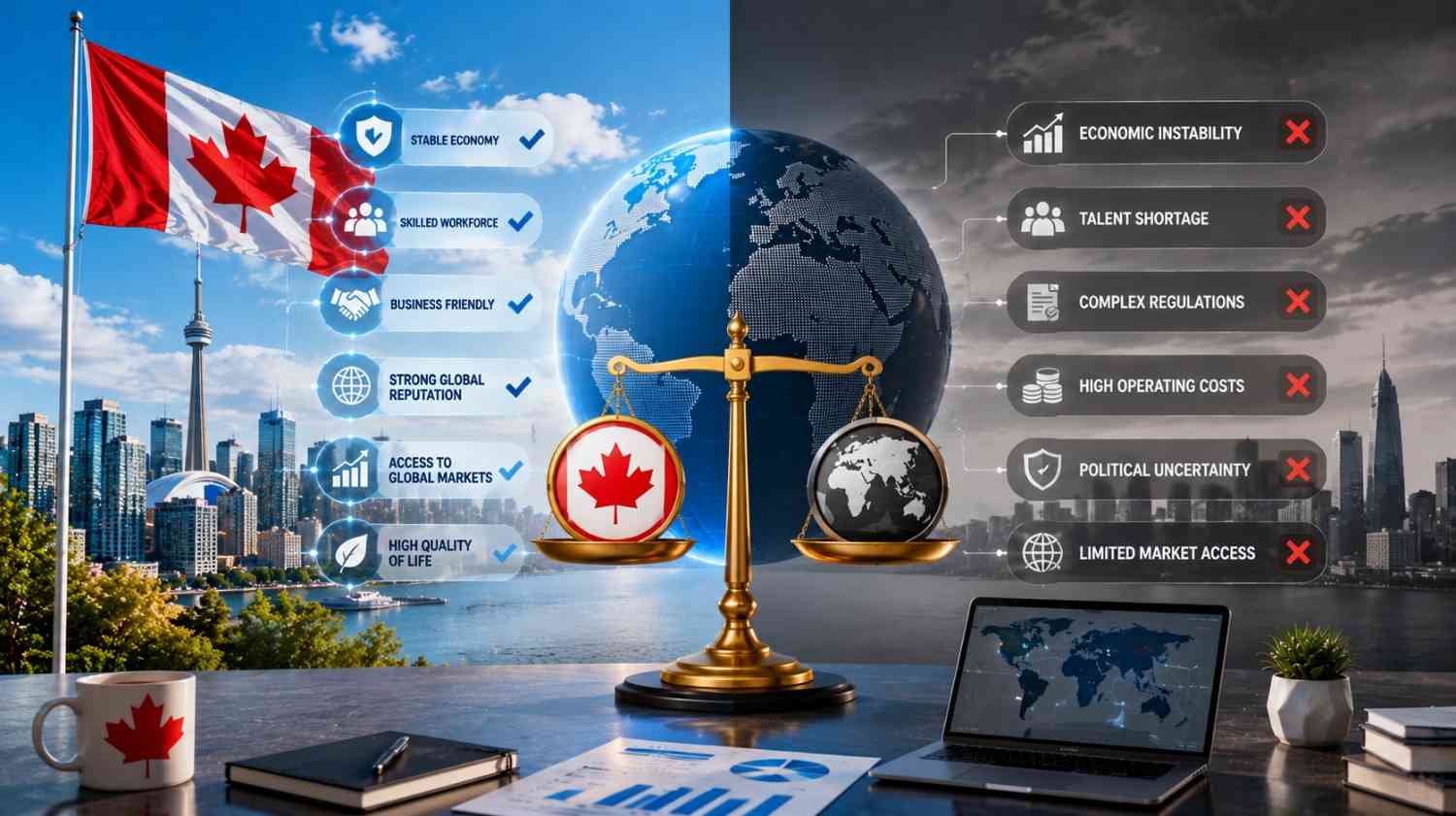


Textile, Leather & Engineering Suppliers in India: A Guide for Canadian Buyers

The Canadian Business Guide to Reliable Product Sourcing and Importing from India

India has developed a broad and diverse manufacturing ecosystem, making it an attractive sourcing destination for Canadian buyers seeking textiles, leather products and engineering goods. One of the biggest advantages for international buyers is the presence of specialised manufacturing hubs, where suppliers, raw-material producers, processing units and supporting businesses operate within established industrial clusters.


For Canadian companies, understanding these manufacturing regions can make supplier discovery more efficient and help businesses identify manufacturers that match their product requirements, order volumes and quality expectations.


Why Canadian Buyers Source from Indian Suppliers

India offers manufacturing capabilities across a wide range of industries, from cotton textiles and garments to finished leather goods, footwear, machinery and engineering components. Regional specialisation is particularly important because different Indian cities have developed expertise in specific product categories.


For Canadian importers, working with suppliers located within established manufacturing clusters can provide access to a wider supplier network and specialised production capabilities. However, selecting the right supplier requires more than comparing quotations. Product quality, production capacity, communication, delivery schedules and export experience should all be considered.


Textile Suppliers in India

India’s textile industry is spread across several important manufacturing centres. Tiruppur in Tamil Nadu is particularly well known for knitwear and cotton garments, while Surat in Gujarat has a strong position in synthetic and man-made textiles. Ludhiana is associated with knitwear and winter apparel, and Panipat is recognised for home textiles and related products.


Canadian buyers sourcing T-shirts, knitted garments, hosiery, fabrics, home textiles or other textile products should first identify the manufacturing cluster that matches their requirements. Tiruppur, for example, has an extensive ecosystem covering knitting, dyeing, garment manufacturing and value-added textile processes.


Karur is another relevant location for Canadian buyers interested in home textiles and made-up textile products, while Surat can be considered for synthetic fabrics and fashion textiles.


The most suitable textile supplier will depend on fabric composition, product design, required quantities, quality standards and delivery expectations.


Leather Suppliers in India

India also has established manufacturing centres for leather goods, footwear and related products. Kanpur is one of the recognised leather manufacturing clusters, while Chennai and surrounding areas have developed leather and footwear production capabilities. Industry cluster information also identifies locations such as Kolkata and Jalandhar for leather-related manufacturing.


Canadian buyers looking for leather bags, footwear, belts, accessories or other leather products should evaluate suppliers according to material specifications, finishing requirements, production capacity and quality consistency.


Samples are especially important when sourcing leather products because differences in material quality, colour, texture, stitching and finishing can significantly affect the final product.


Engineering Suppliers in India

India’s engineering manufacturing sector covers machinery, automotive components, fabricated products, machine tools, pumps, motors, metal products and specialised industrial components.


Pune and Chennai are important engineering and automotive manufacturing locations, while Bengaluru, Ahmedabad, Faridabad and other industrial centres provide additional supplier options. Established cluster data identifies engineering and machine-tool activity across several of these regions.


Canadian companies sourcing engineering products should pay close attention to technical drawings, material specifications, tolerances, production processes and testing requirements. The right supplier should have the machinery, technical expertise and quality-control systems required for the particular component or finished product.


How Canadian Buyers Can Evaluate Indian Suppliers

Supplier selection should begin with a clear product specification. Canadian buyers should communicate the required materials, dimensions, colours, packaging, quantities and quality expectations before requesting quotations.


Samples can then be used to assess whether the supplier can achieve the required standard. Buyers should also examine production capacity and previous export experience, particularly when larger or recurring orders are involved.


Communication is another important consideration. Clear documentation and regular communication can reduce misunderstandings about specifications, production timelines and packaging requirements.


Price should also be evaluated as part of the total sourcing cost rather than considered independently. Freight, packaging, quality inspections, production delays and other supply-chain expenses can influence the final landed cost for a Canadian buyer.


Building Long-Term Supplier Relationships

Successful India-to-Canada sourcing is often based on long-term supplier relationships rather than one-time purchases. Once a suitable manufacturer has been identified, Canadian buyers can establish consistent product specifications, quality expectations and production schedules.


Regular supplier performance reviews can help identify opportunities for improvement. As purchasing volumes increase, businesses may also be able to negotiate more efficient production and supply arrangements.


Having more than one qualified supplier can provide additional flexibility and reduce dependence on a single manufacturing source.


Choosing the Right Indian Manufacturing Hub

The best manufacturing location depends on what a Canadian company wants to source. Textile buyers may explore Tiruppur, Surat, Ludhiana, Panipat or Karur. Leather buyers can investigate Kanpur and established leather-producing regions around Chennai. Engineering buyers may explore Pune, Chennai, Ahmedabad, Bengaluru and other industrial clusters.


The important step is to match the product category with the right manufacturing ecosystem before evaluating individual suppliers. This approach can make sourcing research more targeted and improve the chances of finding manufacturers capable of meeting Canadian buyer expectations.


How Complete Consulting Canada Can Support Canadian Buyers

Complete Consulting Canada provides business consulting and support for companies developing and expanding their Canadian business operations. For businesses exploring India-to-Canada sourcing, understanding the Canadian market, business structure, supply-chain requirements and commercial planning can be an important part of building a sustainable operation.


Complete Consulting Canada can help businesses understand their broader Canadian business needs while they research suppliers, products and international sourcing opportunities. Canadian buyers can use a structured approach to supplier research, product evaluation and market planning to create stronger foundations for long-term growth.

Frequently Asked Questions

Tiruppur, Surat, Ludhiana, Panipat and Karur are important textile manufacturing locations. The appropriate hub depends on whether the buyer needs knitwear, synthetic fabrics, winter apparel, home textiles or other textile products.

Kanpur is a significant leather manufacturing centre, while Chennai and surrounding areas also have established leather and footwear production capabilities.

Pune, Chennai, Ahmedabad, Bengaluru and Faridabad are among the locations Canadian buyers can explore for engineering and industrial products. The best location depends on the technical requirements of the product.

Buyers should review samples, production capabilities, technical specifications, quality processes, export experience, communication and delivery performance before committing to significant orders.

Yes. India’s specialised manufacturing clusters and broad supplier ecosystem can support recurring sourcing programmes across textiles, leather, engineering and many other product categories.

No. Product quality, production reliability, lead times, packaging, communication and total landed cost should be considered alongside the supplier’s quotation.

Complete Consulting Canada supports businesses with Canadian-focused consulting and business planning. Companies exploring India-to-Canada sourcing can use its services and resources to better understand their Canadian business requirements and growth opportunities.

Finding Reliable Manufacturing Hubs in India for Canadian Importers

Finding Reliable Manufacturing Hubs in India for Canadian Importers

For Canadian importers, India offers a diverse manufacturing ecosystem with specialised production centres for textiles, leather products, engineering goods, home products, packaging, handicrafts and industrial components. However, finding the right manufacturing hub is about more than identifying a city with factories. Canadian businesses need reliable suppliers, consistent quality, competitive pricing, suitable production capacity and dependable export processes.


A well-planned India-to-Canada sourcing strategy starts by understanding which manufacturing regions specialise in the products you want to import. Choosing the right industrial cluster can make supplier research more efficient, improve communication and create a stronger foundation for long-term Canadian sourcing.


Why Manufacturing Hubs Matter for Canadian Importers

India’s manufacturing industry is organised around numerous regional clusters, where businesses, skilled workers, raw-material suppliers and supporting industries operate close to one another. This concentration can provide Canadian importers with access to established supply networks and manufacturers experienced in producing specific categories.


For example, textile and apparel sourcing can be explored through established centres in Gujarat, Maharashtra, Tamil Nadu and other textile-producing regions. Leather and footwear manufacturing is strongly associated with areas such as Kanpur and Chennai, while engineering and automotive production has major centres around Pune, Chennai, Bengaluru and Ahmedabad.


The right location depends on the product specification, required quantity, quality expectations, production timeline and target Canadian market.


Major Indian Manufacturing Hubs to Explore

For Canadian buyers looking for textiles and apparel suppliers, Tiruppur in Tamil Nadu is a major sourcing destination, particularly for knitwear and garments. Surat in Gujarat is widely recognised for textiles and synthetic fabrics, while Ahmedabad has a long-established textile manufacturing ecosystem.


For leather products and footwear, Kanpur is an important manufacturing centre with a substantial supplier base. Chennai and surrounding areas also have established footwear and leather-related production capabilities. Canadian importers seeking bags, footwear, accessories or related products can investigate suppliers in these regions according to their specific requirements.


Engineering and industrial products require a different sourcing approach. Pune, Chennai, Ahmedabad and Bengaluru have strong industrial ecosystems covering machinery, automotive components, fabricated products and engineering-related manufacturing. These hubs can be particularly relevant for Canadian companies looking for specialised components or industrial suppliers.


For home products, handicrafts and decorative goods, cities and clusters across Rajasthan, Uttar Pradesh, Gujarat and other regions offer manufacturers serving domestic and international markets. Moradabad, for example, is well known for metalware and decorative products, while Jaipur has established manufacturing and artisan networks across several product categories.


How Canadian Importers Can Identify Reliable Manufacturers

Finding a manufacturer is only the first stage of sourcing from India. Canadian importers should evaluate the supplier’s production capabilities, product quality, communication standards, previous export experience and ability to meet agreed specifications.


Before placing a significant order, Canadian buyers should request samples and review product specifications carefully. Factory information, production photographs, certifications where relevant, references and previous export experience can also help establish whether a supplier is suitable.


Communication is equally important. A manufacturer may offer competitive pricing but still create problems if specifications, packaging requirements, delivery schedules or quality expectations are misunderstood. Clear written specifications and agreed production standards can significantly reduce sourcing risks.


Comparing Suppliers Beyond Price

Price should not be the only factor when choosing an Indian manufacturing supplier. A lower factory price may not result in the lowest overall cost once packaging, transportation, quality issues, delays and other sourcing expenses are considered.


Canadian importers should evaluate the complete landed-cost picture while comparing suppliers. Production capacity, minimum order requirements, payment terms, packaging, shipping arrangements and expected lead times should all be considered before making a purchasing decision.


A supplier that provides consistent quality and reliable communication may ultimately create greater value than one offering the lowest initial quotation.


Building a Strong India-to-Canada Supply Chain

Successful sourcing requires coordination between the manufacturer, exporter, freight partners and Canadian business. Product specifications should be finalised before production begins, while packaging and shipping requirements should be discussed early.


Canadian importers should also plan inventory according to expected demand and lead times. Establishing relationships with more than one qualified supplier can provide additional flexibility as the business grows.


Supplier verification and quality control should become an ongoing part of the sourcing strategy rather than a one-time activity. Regular communication and performance reviews can help Canadian buyers identify problems early and maintain consistent product standards.


India Manufacturing Sourcing for Canadian Business Growth

India can provide Canadian importers with access to specialised manufacturing clusters and a broad supplier ecosystem. The key is to match the product with the appropriate manufacturing region and then carefully evaluate individual manufacturers.


Whether a Canadian company is sourcing textiles from Tiruppur, leather products from Kanpur, engineering components from Pune or home products from specialised regional clusters, a structured sourcing process can help turn supplier discovery into a sustainable supply relationship.


How Complete Consulting Canada Can Help

Complete Consulting Canada helps entrepreneurs and businesses explore opportunities connected with the Canadian market, including international sourcing and cross-border business planning. Its website highlights support for logistics and supply-chain businesses, e-commerce companies and international businesses looking to establish or expand their Canadian operations.


For Canadian importers exploring Indian manufacturing suppliers, Complete Consulting Canada can be a useful starting point for understanding Canadian business requirements, market planning and the broader process of building a Canada-focused business operation. Its existing resources also cover product sourcing and importing from India to Canada, including supplier verification, product specifications, quality control, shipping and landed-cost considerations.

Frequently Asked Questions

The best manufacturing hub depends on the product category. Tiruppur and Surat are important textile centres, Kanpur is known for leather and footwear production, while Pune, Chennai and Ahmedabad have strong engineering and industrial manufacturing ecosystems.

Canadian importers can research specialised manufacturing clusters, compare multiple suppliers, request samples, verify production capabilities and review export experience before selecting a manufacturer.

Yes. India has a diverse manufacturing ecosystem serving many international markets. Canadian businesses can source products ranging from textiles and apparel to engineering goods, home products, leather products and packaging.

No. Price should be evaluated alongside product quality, production capacity, lead time, packaging, communication, minimum order requirements and overall landed cost.

Quality control is essential. Canadian buyers should establish clear product specifications, approve samples and maintain communication with suppliers throughout production to help ensure consistent results.

Yes. Canadian businesses can develop direct supplier relationships with Indian manufacturers and exporters. The appropriate sourcing model depends on the product, order volume, supplier capabilities and the importer’s operational requirements.

Complete Consulting Canada provides business consulting and support for companies developing Canadian operations. Its services include business setup, logistics and supply-chain guidance, e-commerce support and market-focused business planning.

The Canadian Business Guide to Reliable Product Sourcing and Importing from India

The Canadian Business Guide to Reliable Product Sourcing and Importing from India

For Canadian businesses looking to expand their product range, sourcing from India can provide access to established manufacturing capabilities across textiles, apparel, home products, handicrafts, packaging, specialty goods and other categories. However, successful importing requires more than finding an attractive supplier price.


A reliable India-to-Canada sourcing strategy should consider supplier verification, product specifications, quality control, shipping, landed costs, documentation, inventory planning and Canadian customer demand. Businesses that carefully manage each stage can build a supply chain that supports consistent product availability and sustainable growth.


India’s large manufacturing ecosystem can be particularly valuable for Canadian entrepreneurs who already understand specific product categories or have established relationships with manufacturers and exporters. Complete Consulting Canada also identifies sourcing, distribution and logistics as potential business opportunities for entrepreneurs with relevant supplier relationships in India.


Understanding the Canadian Product Sourcing Process

Reliable product sourcing begins with understanding the Canadian market before contacting suppliers. A business should know who its customers are, what products they need, what competitors offer and what price range the market can support.


Once the product opportunity is clear, businesses can identify suitable Indian manufacturers or exporters. Supplier selection should consider production capabilities, product quality, communication, capacity, experience and ability to meet agreed specifications.


A detailed product specification is essential. Materials, dimensions, colours, finishes, packaging, labelling and other requirements should be clearly documented so both the Canadian buyer and Indian supplier have the same expectations.


Finding Reliable Indian Suppliers

India has manufacturing and trading clusters serving numerous industries. Canadian businesses can research potential suppliers through established business networks, trade directories, industry events, referrals and direct manufacturer outreach.


Price should not be the only deciding factor. A supplier offering the lowest quotation may not provide the consistency, communication or production capacity required for a long-term Canadian business.


Before placing a commercial order, businesses should evaluate supplier credentials, request product samples and discuss production timelines. Clear communication during the early stages can reveal whether the supplier is capable of handling ongoing business requirements.


Product Samples and Quality Control

Quality control should begin before production rather than after the shipment reaches Canada.


A product sample allows the buyer to evaluate materials, workmanship, dimensions, appearance and packaging. Once the specifications are approved, the production requirements should be documented clearly.


For larger or recurring shipments, businesses can establish quality checkpoints during manufacturing and conduct a final inspection before dispatch. This can help identify defects, incorrect quantities or packaging problems before products leave India.

Consistent quality is particularly important for Canadian retailers and eCommerce businesses because customer reviews, returns and repeat purchases can directly affect profitability.


Calculating the Landed Cost

The supplier quotation is only one part of the final product cost. Canadian businesses should calculate the complete landed cost before deciding whether an imported product is commercially viable.


Depending on the transaction, the calculation can include the product purchase price, packaging, transportation within India, international freight, insurance where applicable, applicable duties and taxes, customs-related charges, Canadian transportation, warehousing and fulfillment expenses.


A detailed landed-cost calculation provides a more realistic view of potential margins. It can also help businesses compare suppliers and determine an appropriate Canadian selling price.


Choosing Shipping and Logistics Options

Transportation decisions should reflect the product, shipment size, delivery timeline and available budget.


Ocean freight can be suitable when businesses are planning larger shipments and can accommodate longer transit times. Air freight can be useful when faster delivery is important or when products have a higher value relative to their shipment weight.


Canada’s extensive transportation infrastructure provides access to ports, airports, rail networks, highways and distribution centres. Complete Consulting Canada’s supply-chain analysis highlights Vancouver, Montreal and Halifax among Canada’s important international logistics gateways and identifies major Canadian logistics hubs supporting warehousing and distribution.


The right logistics model should be selected before ordering inventory rather than after the goods are already in transit.


Import Documentation and Planning

Importing products into Canada requires accurate commercial and shipping documentation. Businesses should understand the documentation associated with their products and shipment before goods leave India.


Product classification is also an important part of import planning because applicable duties and requirements can depend on the nature and classification of the goods.


Businesses should also understand their responsibilities as importers and seek qualified customs or trade assistance where the product or shipment requires specialized expertise. Proper preparation can help reduce avoidable delays and unexpected costs.


Canadian Warehousing and Inventory Management

Once products arrive in Canada, businesses need a plan for storage and distribution. The right warehouse location can influence transportation costs and customer delivery times.


Inventory planning should consider supplier lead times, transportation schedules, seasonal demand and expected sales. Too much inventory can tie up working capital, while insufficient inventory can result in missed sales and customer dissatisfaction.


For eCommerce businesses, warehousing should also be connected to order processing and fulfillment. Complete Consulting Canada notes that Canadian third-party logistics providers can offer services such as warehousing, pick-and-pack, shipping and returns management.


Selecting Products for the Canadian Market

Successful importing starts with choosing products that have a genuine market opportunity. A product may be popular in India but still require different positioning for Canadian customers.


Businesses should research Canadian customer preferences, competitors, price points and product presentation before committing to inventory. Packaging, sizing, materials and product features may need to be adapted according to Canadian market expectations.


For Indian entrepreneurs with established supplier relationships, this can also create a business opportunity around sourcing and distribution. Complete Consulting Canada notes that entrepreneurs who understand both Indian suppliers and Canadian customer requirements can explore specialized sourcing businesses connecting Indian manufacturers with Canadian retailers and commercial buyers.


Building Long-Term Supplier Relationships

Reliable importing is easier when supplier relationships are managed for the long term. Buyers should establish clear expectations around product specifications, production schedules, packaging, quality standards and communication.


Regular performance reviews can help businesses identify whether suppliers are meeting agreed expectations. Quality consistency, delivery reliability, responsiveness and production capacity should all be considered when evaluating an ongoing supplier relationship.

A strong relationship can also make future product development and order planning more efficient.


Growing an India-to-Canada Sourcing Business

Canadian businesses can build sourcing models around direct retail sales, eCommerce, distribution, private-label products or supplying other Canadian businesses. The most appropriate model depends on the product category, target customer and available operational resources.


Complete Consulting Canada’s business resources highlight product businesses, import and distribution services and logistics as potential opportunities for entrepreneurs with relevant experience and established supplier relationships.

The strongest approach is to combine dependable Indian suppliers with a clearly defined Canadian market strategy, realistic financial planning and reliable logistics.


How Complete Consulting Canada Supports Canadian Business Expansion

Complete Consulting Canada supports entrepreneurs and international businesses establishing and growing operations in Canada. Its services cover areas including business setup, market entry, eCommerce and retail, logistics and supply-chain activities.


For entrepreneurs planning to source products from India and build a Canadian business, the company can provide broader support around Canadian business setup, market-entry strategy and operational planning.


Reliable product sourcing is ultimately a process rather than a single supplier decision. By researching Canadian demand, evaluating Indian suppliers, confirming product quality, calculating landed costs, planning logistics and managing inventory carefully, businesses can create a stronger India-to-Canada supply chain.

Frequently Asked Questions

Canadian businesses can source many product categories from India, including textiles, apparel, home products, handicrafts, packaging, specialty consumer goods and industrial products. The most suitable products depend on Canadian demand, competition and supplier capabilities.

Businesses can research manufacturers and exporters through established industry networks, trade directories, referrals and direct supplier outreach. Samples, company information, production capabilities and communication should be reviewed before placing an order.

Businesses should evaluate supplier reliability, product specifications, samples, quality expectations, landed costs, transportation, documentation, inventory requirements and applicable Canadian import requirements before placing an order.

Landed cost can include the supplier price, packaging, transportation within India, international freight, insurance where applicable, applicable duties and taxes, customs-related charges, Canadian transportation, warehousing and fulfillment costs.

The appropriate method depends on shipment size, product characteristics, delivery requirements and budget. Ocean freight can work well for planned larger shipments, while air freight can be useful when faster transportation is needed.

Businesses can use product samples, detailed specifications, production quality checks and final inspections before shipment. Clear communication with suppliers is essential for maintaining consistent product standards.

Complete Consulting Canada supports international entrepreneurs and businesses with Canadian business setup, market-entry planning and operational services, including support for logistics, supply-chain and eCommerce-related business models.

Sourcing Wholesale Goods from India to Canada: Complete Supply Chain Guide

Sourcing Wholesale Goods from India to Canada: Complete Supply Chain Guide

Sourcing wholesale goods from India can give Canadian businesses access to a broad manufacturing ecosystem covering textiles, apparel, home products, handicrafts, packaging, specialty products and many other categories. However, successful sourcing is about much more than finding a supplier with an attractive price.


A reliable India-to-Canada supply chain requires careful supplier evaluation, product specifications, quality control, transportation planning, documentation, landed-cost calculations and inventory management. Canadian businesses that approach sourcing strategically can build stronger supplier relationships while reducing avoidable delays and unexpected expenses.


For entrepreneurs in India, establishing a Canadian business presence can also create opportunities to connect Indian suppliers with Canadian retailers and commercial customers. Complete Consulting Canada highlights import, distribution and sourcing as potential business models for entrepreneurs who already understand Indian supplier networks and want to serve Canadian companies.


Understanding the India-to-Canada Sourcing Process

The sourcing process generally begins with identifying the right product and defining the Canadian market opportunity. Before approaching manufacturers, a buyer should understand the target customer, expected selling price, product specifications and estimated demand.


Supplier research can then focus on manufacturers and exporters with relevant production capabilities. Rather than choosing solely on quoted price, Canadian buyers should evaluate production experience, communication, quality consistency, capacity, packaging capabilities and export experience.


A detailed product specification is particularly important when sourcing internationally. Measurements, materials, colours, finishes, packaging, labelling and acceptable quality standards should be documented before production begins.


Finding Reliable Indian Suppliers

India has established manufacturing clusters across many industries. Depending on the product category, businesses can research manufacturers, exporters, trade directories, industry associations and established supplier networks.


A supplier’s ability to communicate clearly and consistently is important. Canadian buyers should ask for company information, product specifications, samples and relevant business documentation before committing to a commercial relationship.


Product samples can provide an early indication of manufacturing quality, but buyers should also consider whether the supplier can reproduce the same quality consistently during larger production runs.


Product Quality and Pre-Shipment Inspection

Quality control should be built into the sourcing process rather than treated as an afterthought.


Before production, the buyer and supplier should agree on specifications and quality expectations. During production, appropriate checks can help identify issues before goods are packed and shipped. A final inspection can verify quantities, dimensions, appearance, packaging and other agreed requirements.


This approach is particularly useful when products are being shipped over a long distance. Discovering a significant quality issue after the shipment reaches Canada can create additional transportation, storage and replacement costs.


Calculating the True Landed Cost

The supplier’s quoted price is not the complete cost of importing goods into Canada. Canadian businesses should calculate the expected landed cost before deciding whether a product is commercially viable.


Landed cost can include the product purchase price, packaging, inland transportation in India, international freight, insurance where applicable, customs-related charges, applicable duties and taxes, Canadian transportation, warehousing and other logistics expenses.


A product that appears inexpensive at the factory level may become considerably more expensive after transportation and other costs are included. Accurate landed-cost calculations therefore help businesses establish realistic pricing and profit expectations.


Choosing the Right Shipping Method

The appropriate transportation method depends on product type, shipment size, urgency and budget.


Ocean freight is commonly considered for larger shipments where transit time can be planned in advance. Air freight can be useful when speed is more important or when products are smaller and higher-value. Express transportation may be suitable for samples or urgent commercial requirements.


Canada’s logistics infrastructure provides connections through major ports, airports, railways and highways. Complete Consulting Canada’s supply-chain insights highlight Vancouver, Montreal, Halifax and other transportation gateways as important parts of Canada’s international logistics network.


Customs Documentation and Import Planning

International sourcing requires careful attention to documentation. Commercial invoices, packing information, transportation documents and product-related information should be prepared accurately for the shipment.


Product classification is also important because applicable duties and other requirements can depend on the nature and classification of the goods.


Canadian businesses should determine their import responsibilities before placing an order and work with appropriate customs and trade professionals when specialized assistance is required. Proper preparation can help reduce unnecessary delays and documentation problems.


Inventory and Warehousing in Canada

Once goods arrive in Canada, businesses need a practical inventory strategy. Warehousing location can affect delivery times and transportation costs, particularly for companies selling through eCommerce channels.


A business should estimate how much inventory it needs based on sales forecasts, supplier lead times, shipping schedules and seasonal demand. Holding too much inventory can tie up capital, while insufficient inventory can lead to missed sales opportunities.


Businesses selling online should also consider how imported products will move from the warehouse to Canadian customers. Inventory management, order processing and fulfillment should be considered before selecting a supplier and shipping model.


Building a Reliable Supplier Relationship

Successful wholesale sourcing is often based on long-term supplier relationships rather than one-time transactions.


Clear communication about product specifications, timelines, packaging and quality expectations can help both parties understand their responsibilities. Businesses should also maintain written records of agreed product requirements and commercial terms.


As the relationship develops, buyers can evaluate supplier performance based on quality consistency, communication, delivery reliability and responsiveness.


Sourcing Products That Fit the Canadian Market

Not every product manufactured successfully in India will automatically perform well in Canada. Canadian businesses should research customer preferences, competition, pricing and product positioning before importing inventory.


For entrepreneurs operating from India, this can create an opportunity to build a business around specialized sourcing and distribution. Complete Consulting Canada notes that entrepreneurs with strong supplier relationships in India can explore sourcing businesses that connect Indian manufacturers with Canadian retailers or commercial customers.


The strongest sourcing strategy connects a reliable supplier with a clearly defined Canadian market opportunity.


How Complete Consulting Canada Supports Business Expansion

Complete Consulting Canada helps entrepreneurs and businesses establish and grow their operations in Canada, including support related to business setup, market entry, eCommerce and logistics and supply-chain activities. Its website highlights logistics and supply-chain businesses among the industries it serves, as well as eCommerce marketplace setup for platforms serving Canadian customers.

For businesses planning to source wholesale goods from India and build a Canadian operation, Complete Consulting Canada can help create a broader Canadian business strategy around market entry, business setup and operational planning.


A successful India-to-Canada sourcing operation ultimately depends on preparation. By carefully evaluating suppliers, defining product specifications, controlling quality, calculating landed costs, planning transportation and understanding Canadian market requirements, businesses can create a more reliable supply chain and build a stronger foundation for long-term growth.

Frequently Asked Questions

Businesses can source many categories from India, including textiles, apparel, home products, handicrafts, packaging and specialty consumer goods. The right product depends on Canadian customer demand, competition, pricing and supplier capabilities.

Businesses can research manufacturers, exporters, industry networks and established supplier directories. Supplier experience, communication, production capabilities, samples and quality consistency should be evaluated before placing an order.

Buyers should review product specifications, supplier credentials, samples, quality expectations, landed costs, transportation arrangements, documentation and applicable Canadian import requirements before ordering.

Landed cost should account for the product price, packaging, transportation in India, international freight, insurance where applicable, applicable duties and taxes, Canadian transportation, warehousing and other associated expenses.

The appropriate option depends on shipment size, product characteristics, urgency and budget. Ocean freight can suit larger planned shipments, while air transportation can be useful when faster delivery is important.

Yes. Entrepreneurs with established Indian supplier relationships can develop sourcing or distribution businesses that connect Indian manufacturers with Canadian retailers and commercial buyers.

Complete Consulting Canada supports entrepreneurs and businesses with Canadian business setup, market-entry planning, eCommerce and operational services. Its services are designed to help international entrepreneurs establish and grow Canadian operations.