
Recent Posts
- Company Setup in Canada for Non-Residents: A Complete Guide
- Doing Business in Canada: A South African Executive’s Guide
- How to Start a Business in Canada: A Complete Guide
- Business Banking in Canada for South African Company Owners
- Business Services in Canada: A Complete Guide for Entrepreneurs
- Opening a Corporation in Canada as a South African Citizen
The Canadian Business Guide to Reliable Product Sourcing and Importing from India
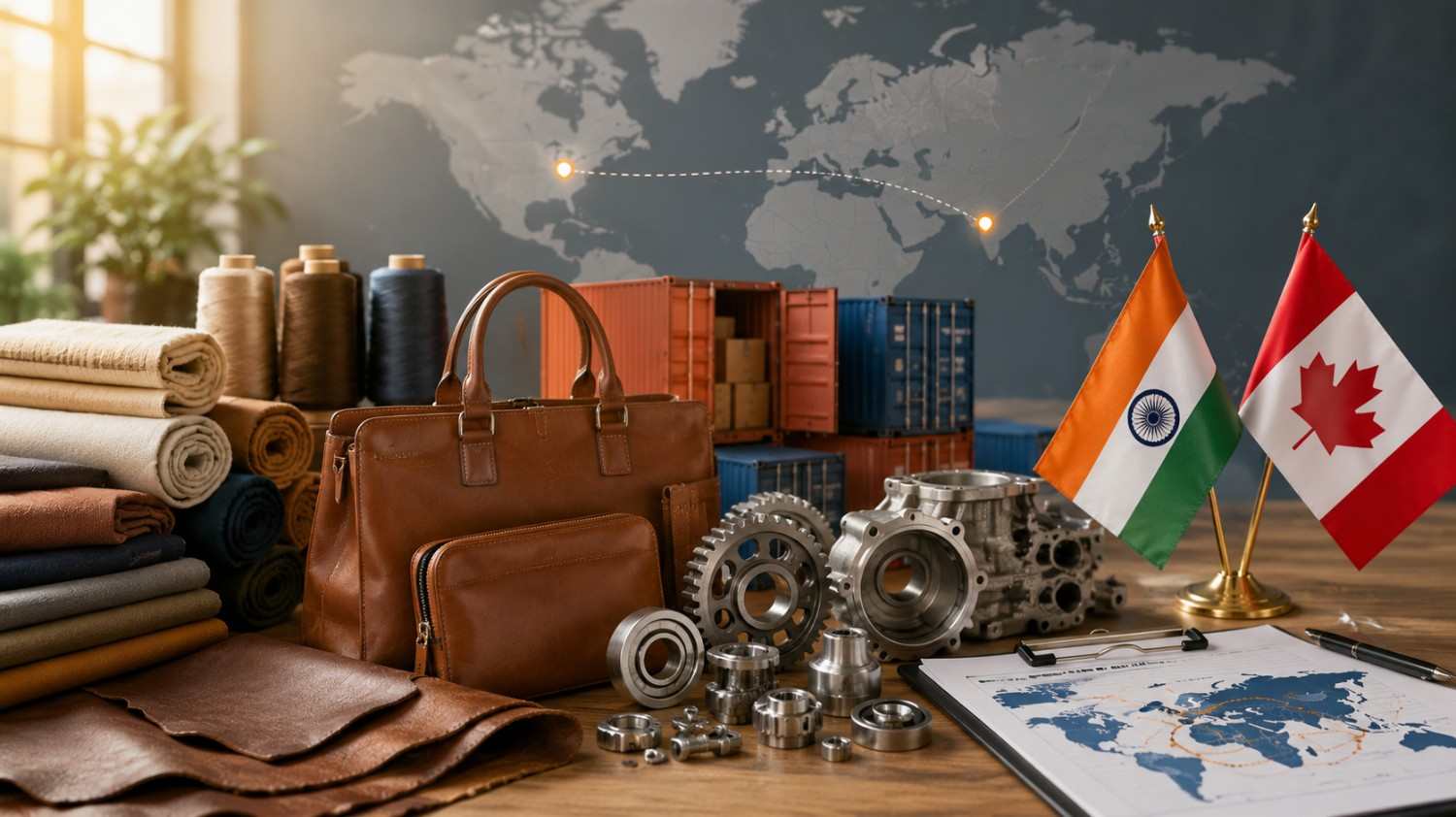
India has developed a broad and diverse manufacturing ecosystem, making it an attractive sourcing destination for Canadian buyers seeking textiles, leather products and engineering goods. One of the biggest advantages for international buyers is the presence of specialised manufacturing hubs, where suppliers, raw-material producers, processing units and supporting businesses operate within established industrial clusters.
For Canadian companies, understanding these manufacturing regions can make supplier discovery more efficient and help businesses identify manufacturers that match their product requirements, order volumes and quality expectations.
Why Canadian Buyers Source from Indian Suppliers
India offers manufacturing capabilities across a wide range of industries, from cotton textiles and garments to finished leather goods, footwear, machinery and engineering components. Regional specialisation is particularly important because different Indian cities have developed expertise in specific product categories.
For Canadian importers, working with suppliers located within established manufacturing clusters can provide access to a wider supplier network and specialised production capabilities. However, selecting the right supplier requires more than comparing quotations. Product quality, production capacity, communication, delivery schedules and export experience should all be considered.
Textile Suppliers in India
India’s textile industry is spread across several important manufacturing centres. Tiruppur in Tamil Nadu is particularly well known for knitwear and cotton garments, while Surat in Gujarat has a strong position in synthetic and man-made textiles. Ludhiana is associated with knitwear and winter apparel, and Panipat is recognised for home textiles and related products.
Canadian buyers sourcing T-shirts, knitted garments, hosiery, fabrics, home textiles or other textile products should first identify the manufacturing cluster that matches their requirements. Tiruppur, for example, has an extensive ecosystem covering knitting, dyeing, garment manufacturing and value-added textile processes.
Karur is another relevant location for Canadian buyers interested in home textiles and made-up textile products, while Surat can be considered for synthetic fabrics and fashion textiles.
The most suitable textile supplier will depend on fabric composition, product design, required quantities, quality standards and delivery expectations.
Leather Suppliers in India
India also has established manufacturing centres for leather goods, footwear and related products. Kanpur is one of the recognised leather manufacturing clusters, while Chennai and surrounding areas have developed leather and footwear production capabilities. Industry cluster information also identifies locations such as Kolkata and Jalandhar for leather-related manufacturing.
Canadian buyers looking for leather bags, footwear, belts, accessories or other leather products should evaluate suppliers according to material specifications, finishing requirements, production capacity and quality consistency.
Samples are especially important when sourcing leather products because differences in material quality, colour, texture, stitching and finishing can significantly affect the final product.
Engineering Suppliers in India
India’s engineering manufacturing sector covers machinery, automotive components, fabricated products, machine tools, pumps, motors, metal products and specialised industrial components.
Pune and Chennai are important engineering and automotive manufacturing locations, while Bengaluru, Ahmedabad, Faridabad and other industrial centres provide additional supplier options. Established cluster data identifies engineering and machine-tool activity across several of these regions.
Canadian companies sourcing engineering products should pay close attention to technical drawings, material specifications, tolerances, production processes and testing requirements. The right supplier should have the machinery, technical expertise and quality-control systems required for the particular component or finished product.
How Canadian Buyers Can Evaluate Indian Suppliers
Supplier selection should begin with a clear product specification. Canadian buyers should communicate the required materials, dimensions, colours, packaging, quantities and quality expectations before requesting quotations.
Samples can then be used to assess whether the supplier can achieve the required standard. Buyers should also examine production capacity and previous export experience, particularly when larger or recurring orders are involved.
Communication is another important consideration. Clear documentation and regular communication can reduce misunderstandings about specifications, production timelines and packaging requirements.
Price should also be evaluated as part of the total sourcing cost rather than considered independently. Freight, packaging, quality inspections, production delays and other supply-chain expenses can influence the final landed cost for a Canadian buyer.
Building Long-Term Supplier Relationships
Successful India-to-Canada sourcing is often based on long-term supplier relationships rather than one-time purchases. Once a suitable manufacturer has been identified, Canadian buyers can establish consistent product specifications, quality expectations and production schedules.
Regular supplier performance reviews can help identify opportunities for improvement. As purchasing volumes increase, businesses may also be able to negotiate more efficient production and supply arrangements.
Having more than one qualified supplier can provide additional flexibility and reduce dependence on a single manufacturing source.
Choosing the Right Indian Manufacturing Hub
The best manufacturing location depends on what a Canadian company wants to source. Textile buyers may explore Tiruppur, Surat, Ludhiana, Panipat or Karur. Leather buyers can investigate Kanpur and established leather-producing regions around Chennai. Engineering buyers may explore Pune, Chennai, Ahmedabad, Bengaluru and other industrial clusters.
The important step is to match the product category with the right manufacturing ecosystem before evaluating individual suppliers. This approach can make sourcing research more targeted and improve the chances of finding manufacturers capable of meeting Canadian buyer expectations.
How Complete Consulting Canada Can Support Canadian Buyers
Complete Consulting Canada provides business consulting and support for companies developing and expanding their Canadian business operations. For businesses exploring India-to-Canada sourcing, understanding the Canadian market, business structure, supply-chain requirements and commercial planning can be an important part of building a sustainable operation.
Complete Consulting Canada can help businesses understand their broader Canadian business needs while they research suppliers, products and international sourcing opportunities. Canadian buyers can use a structured approach to supplier research, product evaluation and market planning to create stronger foundations for long-term growth.
Frequently Asked Questions
Tiruppur, Surat, Ludhiana, Panipat and Karur are important textile manufacturing locations. The appropriate hub depends on whether the buyer needs knitwear, synthetic fabrics, winter apparel, home textiles or other textile products.
Kanpur is a significant leather manufacturing centre, while Chennai and surrounding areas also have established leather and footwear production capabilities.
Pune, Chennai, Ahmedabad, Bengaluru and Faridabad are among the locations Canadian buyers can explore for engineering and industrial products. The best location depends on the technical requirements of the product.
Buyers should review samples, production capabilities, technical specifications, quality processes, export experience, communication and delivery performance before committing to significant orders.
Yes. India’s specialised manufacturing clusters and broad supplier ecosystem can support recurring sourcing programmes across textiles, leather, engineering and many other product categories.
No. Product quality, production reliability, lead times, packaging, communication and total landed cost should be considered alongside the supplier’s quotation.
Complete Consulting Canada supports businesses with Canadian-focused consulting and business planning. Companies exploring India-to-Canada sourcing can use its services and resources to better understand their Canadian business requirements and growth opportunities.